


The Deserts of Egypt: Western, Eastern, Sinai and the White Desert
More than nine-tenths of Egypt is desert. But "the desert" is not one place — it is several very different landscapes, from chalk-white rock towers to sand seas and granite peaks.
The Western Desert — Egypt's Sahara
West of the Nile lies the Western (or Libyan) Desert, part of the great Sahara. It is flat to gently rolling, broken by depressions where springs create green oases.
- Siwa Oasis near the Libyan border, with salt lakes and mud-brick ruins.
- The oases of Bahariya, Farafra, Dakhla and Kharga, strung along the old caravan routes.
- The White Desert National Park, famous for wind-sculpted chalk formations.
- The Great Sand Sea, one of the largest dune fields on earth.
- The remote Gilf Kebir plateau with prehistoric rock art.
The Eastern Desert — mountains and wadis
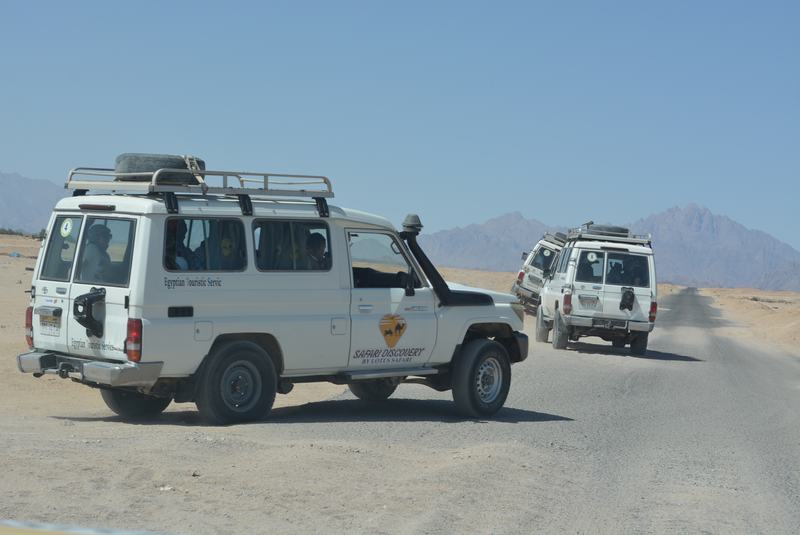
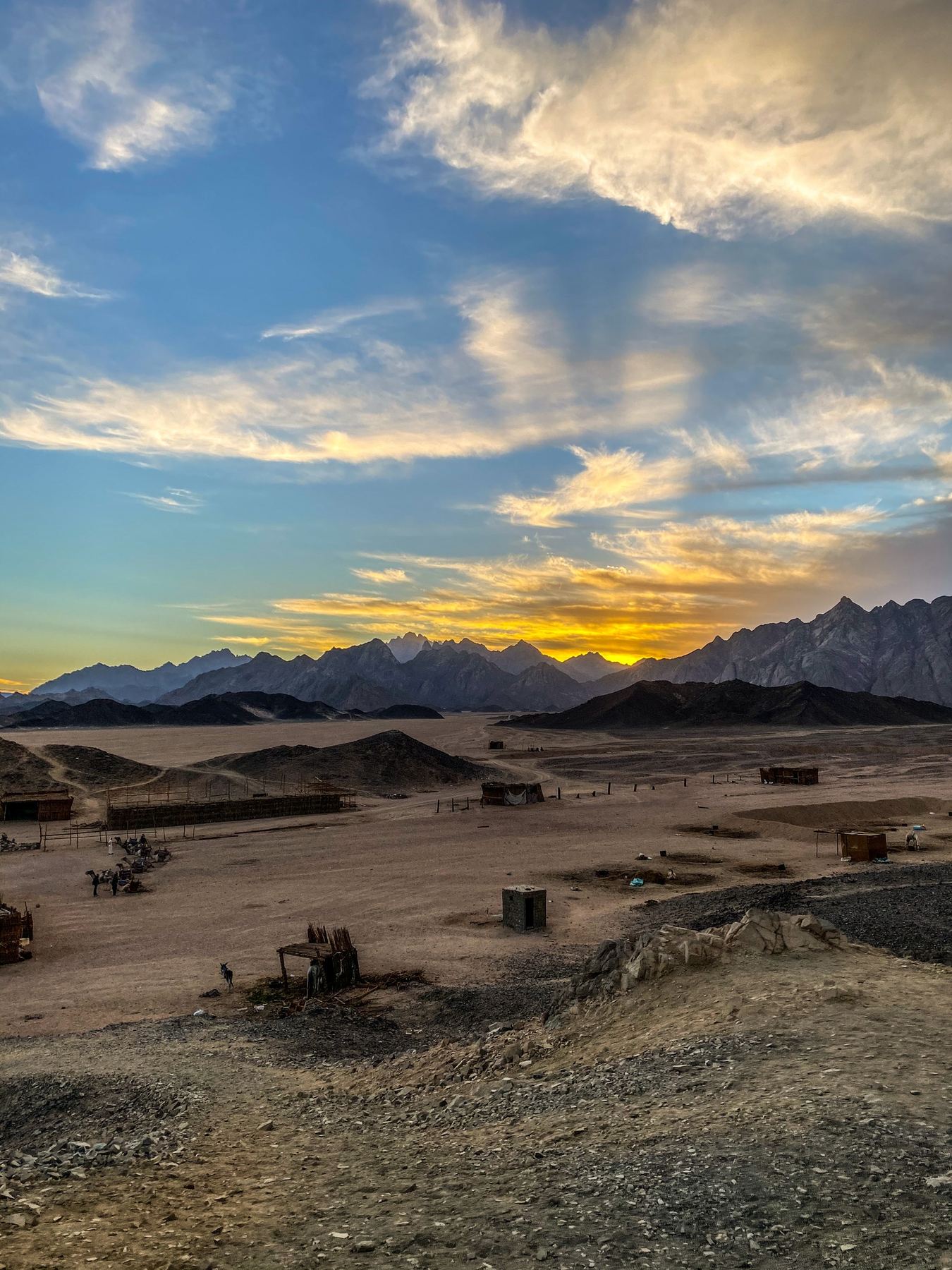
Between the Nile and the Red Sea, the Eastern Desert is rugged and mountainous, cut by dry valleys and dotted with ancient quarries and mines. This is the desert you explore from Hurghada on every Lotus Safari trip — read more in The Red Sea Desert & Mountains.
Sinai — the desert peninsula
Across the Gulf of Suez, the Sinai Peninsula combines a sandy north with dramatic granite mountains in the south, including Mount Sinai and Saint Catherine's Monastery.
Why the Eastern Desert is the easiest to visit
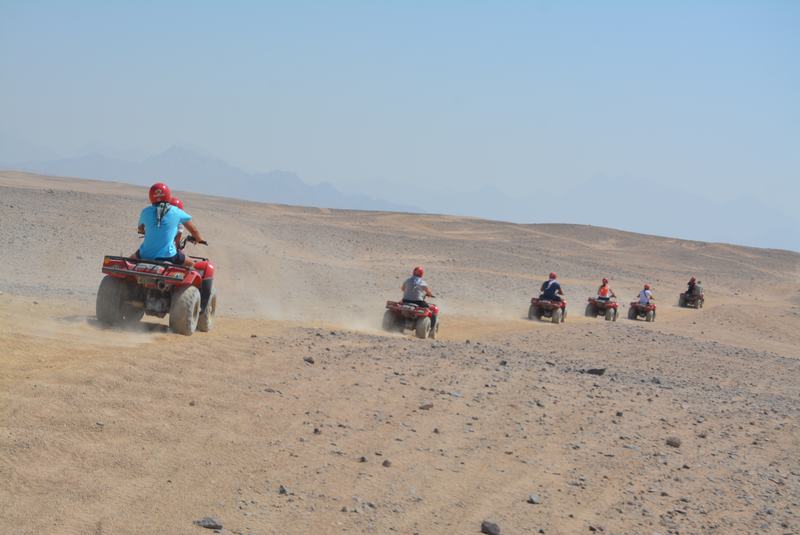
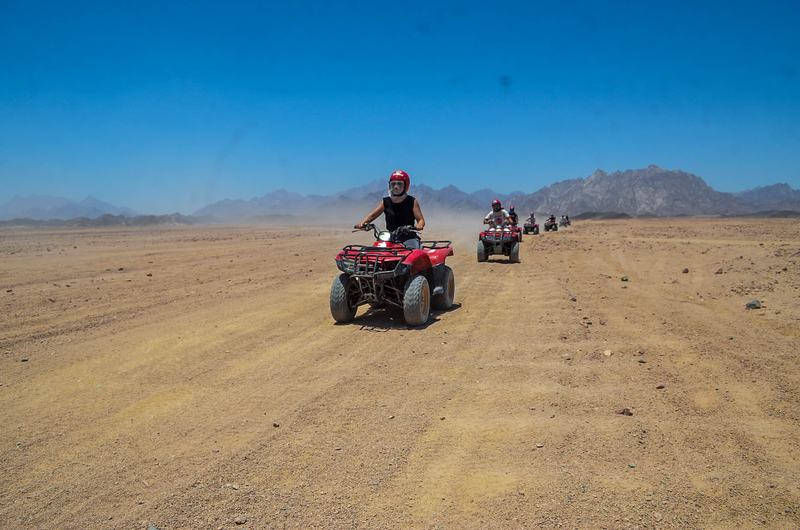
The Western Desert oases are a long drive from the coast and usually need multi-day trips. The Eastern Desert, by contrast, begins at the edge of Hurghada. In half a day you can ride a quad 25 km into the mountains, meet a Bedouin family and be back for dinner — or stay for one under the stars.
Choose your desert day
- Half-day adventure: Quad 3 Hours
- Try every vehicle: Fun Safari
- Sunset, dinner & show: Mega Safari
Planning a wider trip around Egypt? The official portal Experience Egypt is a good starting point.